

gold mirror with lights
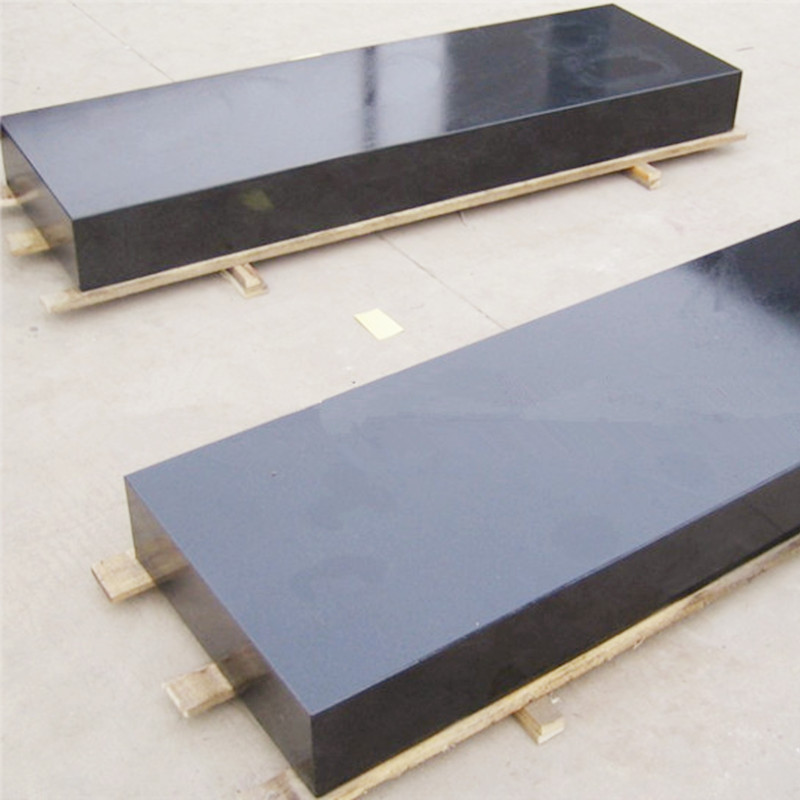
The Importance of a 18 x 24 Granite Surface Plate in Precision Engineering In the world of precision engineering and manufacturing, the importance of having a reliable and accurate measuring surface cannot be overstated. One of the most popular tools used in this field is the granite surface plate. Specifically, an 18 x 24 granite surface plate serves as an essential tool for machinists, quality control inspectors, and engineers, providing a flat, stable, and durable foundation for various measuring and inspection tasks. Granite surface plates are made from natural granite, renowned for its resilience and flatness, making it an ideal material for precision work. These plates are not only used for measuring dimensions but are also crucial for establishing a reference surface upon which other measurements can be taken. The 18 x 24 granite surface plate is a commonly sought-after size, as it offers a practical surface area for workspaces of varying sizes without being excessively bulky. Properties of Granite Surface Plates One of the most critical properties of granite is its natural hardness and stability. Granite is a dense material, which contributes to its ability to withstand heavy weights and resist wear over time. This durability ensures that the plate retains its flatness and accuracy, which are essential aspects when measuring components in manufacturing. Even in situations where heavy machinery is used, the granite surface plate can endure without suffering significant deformation. Moreover, granite surface plates are resistant to thermal expansion, which means their dimensions remain stable across various temperature changes. This property is vital for industries where precise measurements must be maintained in different environments. The ability to remain consistent in different temperatures ultimately leads to more reliable results in projects where accuracy is paramount. Applications in Various Industries 18 x 24 granite surface plate The applications of an 18 x 24 granite surface plate are extensive. In manufacturing, these plates are commonly used in conjunction with calipers, micrometers, and dial indicators to measure the dimensions of machine parts with high precision. The flat surface ensures that these instruments can be utilized effectively, providing accurate readings that could significantly impact the quality of the final product. In the field of quality control, granite surface plates are indispensable. They serve as a reference point to check the flatness and straightness of parts. Any deviation from the specified dimensions can lead to the rejection of parts or the need for costly reworking. By using a granite surface plate during the inspection process, companies can ensure that they adhere to quality standards, reducing the likelihood of defects and increasing overall efficiency. Maintenance and Care While granite surface plates are known for their durability, proper maintenance is essential to extend their lifespan and maintain their accuracy. Regular cleaning with non-abrasive materials and the use of oil or a light mist of coolant can help to minimize wear and prevent contamination that could affect measurements. Users should also take care not to drop or hit the plates to avoid chipping or cracking. In addition, it's a good practice to check the flatness of the granite surface plates regularly using a reliable gauge. Over time, even the most durable surfaces can develop minor imperfections that could affect their performance. Ensuring that they remain in optimal condition helps maintain the precision required in various applications. Conclusion In conclusion, an 18 x 24 granite surface plate is a vital tool in the realms of precision engineering and quality control. Its inherent properties—durability, stability, and resistance to thermal expansion—make it an indispensable component for accurate measurements. As industries become more focused on achieving higher quality standards, the role of such plate tools will only continue to grow. By investing in a granite surface plate and taking care of it properly, engineers and manufacturers can ensure they produce quality work that meets the demands of their respective fields. Whether it is for prototyping, manufacturing, or final inspection, the granite surface plate remains a cornerstone of precision work in engineering.
about
gold mirror with lights
Indykatory mikrometryczne narzędzia precyzyjnego pomiaru Indykatory mikrometryczne, znane również jako wskaźniki mikrometryczne, stanowią kluczowy element w precyzyjnych pomiarach w różnych dziedzinach inżynierii i technologii. Ich zastosowanie jest nieocenione w obróbce metali, automatyce oraz w wielu innych branżach, gdzie dokładność pomiaru odgrywa kluczową rolę. W niniejszym artykule omówimy zasadę działania indykatorów mikrometrycznych, ich budowę oraz zastosowania. Zasada działania Indykatory mikrometryczne są narzędziami, które służą do pomiaru niewielkich odległości z precyzją rzędu mikrometrów. Działają one na zasadzie pomiaru przemieszczenia, które jest rejestrowane na skali. W przypadku prostego indykatora, mechanizm opiera się na sprężynie oraz dajniku, który przekształca ruch mechaniczny na sygnał wskazujący na skali. Zwykle wskaźnik jest połączony z suwakiem lub inny elementem, który można przesuwać w stosunku do mierzonego obiektu. Głównym elementem wskaźnika mikrometrycznego jest stalowa igła, która porusza się wzdłuż podziałki. Każdy ruch igły jest przeliczany na jednostki metryczne, co pozwala na precyzyjne określenie odległości. W wyniku tego mechanizmu, użytkownik jest w stanie zarejestrować najmniejsze zmiany, co czyni ten instrument niezwykle użytecznym w laboratoriach i warsztatach. Budowa Indykatory mikrometryczne składają się z kilku podstawowych elementów 1. Tarcza odczytowa - zazwyczaj oznaczona skalą, na której wskazówki mogą wskazywać wartości. 2. Igła wskaźnikowa - mocowana w taki sposób, aby mogła swobodnie poruszać się podczas pomiaru. 3. Mechanizm przetwornika - który zamienia ruch mechaniczny na odczyty, często stosowany jest system zębatkowo-zębaty. 4. Korpus - trwała obudowa, która zapewnia ochronę dla delikatnych elementów wewnętrznych. indicating micrometer Wszystkie te elementy muszą być precyzyjnie wykonane, aby zapewnić odpowiednią dokładność miernika. Zastosowanie Indykatory mikrometryczne znajdują zastosowanie w wielu obszarach przemysłu. Są powszechnie używane w produkcji części maszyn, gdzie wymagane są niezwykle dokładne wymiary. Dzięki nim możliwe jest kontrolowanie tolerancji wymiarowych, co jest kluczowe dla funkcjonowania wielu procesów produkcyjnych. Oprócz tego, narzędzia te są również szeroko stosowane w laboratoriach badawczych, gdzie precyzyjne pomiary są niezbędne do analizy wyników eksperymentów. Dzięki indykatorom mikrometrycznym można również monitorować procesy jakości, co pozwala na wykrywanie ewentualnych anomalii i wprowadzanie niezbędnych korekt. Podsumowanie Indykatory mikrometryczne to niezastąpione narzędzia w świecie inżynierii i technologii. Ich zdolność do precyzyjnego pomiaru niewielkich odległości czyni je nieocenionymi w wielu branżach. Od obróbki metali po badania laboratoryjne, dzięki nim możliwe jest osiąganie wysokiej poprawności oraz dokładności pomiarów. Choć technologia się rozwija, rola indykatorów mikrometrycznych pozostaje niezmienna – są one fundamentem precyzyjnego pomiaru w dzisiejszym przemyśle.
-

High quality industrial productsagement

High quality industrial products
View Details -

Meet the diverse needs of customers

Meet the diverse needs of customers
View Details -

Strict quality control

Strict quality control
View Details -

Top raw materials

Top raw materials
View Details -

Trusted supplier

Trusted supplier
View Details
Our application

news and information

welding table workbench
The Essential Guide to Welding Tables and Workbenches Welding tables and workbenches are vital tools
where is the water shut off valve
Where is the Water Shut-Off Valve? Understanding the location and function of the water shut-off val

Van bướm chất lượng cao - Giải pháp van công nghiệp hiệu quả
Công ty van bướm (butterfly valve company) đã và đang đóng một vai trò quan trọng trong ngành công n
 English